
Cromwell Hedging Services
Choose Cromwell for professional hedging that enhances your property's privacy, curb appeal, and value—delivered with precision, reliability, and care.
Get a Free QuoteOur Cromwell Landscaping & Yard Care Services
When to Schedule Hedging in Cromwell, Connecticut – Seasonal Guide
In Cromwell, Connecticut, the best times to schedule hedging are typically late spring and early fall. These periods align with the region’s moderate temperatures and reduced risk of frost, which is especially important for neighborhoods near Pierson Park and the Connecticut River, where microclimates can influence plant growth. Early spring hedging, after the last frost but before new growth, helps maintain healthy, well-shaped hedges, while early fall allows for shaping before winter dormancy sets in.
Local environmental factors such as Cromwell’s clay-rich soils, variable humidity, and the shade provided by mature trees in areas like West Street and Main Street can all impact the timing and frequency of hedging. Homeowners should also be mindful of municipal guidelines and seasonal drought advisories, which are often updated by local authorities and can be found on the Sudbury town website.
Local Factors to Consider for Hedging in Cromwell
- Proximity to the Connecticut River and flood-prone zones
- Tree density and shade coverage in neighborhoods like Pierson Park
- Soil type (clay vs. sandy) affecting root health
- Typical precipitation patterns and drought risk
- Municipal restrictions on landscaping and green waste disposal
- Terrain and accessibility for equipment
Benefits of Hedging in Cromwell

Expert Hedge Shaping
Enhanced Property Privacy
Improved Curb Appeal
Seasonal Maintenance Plans
Eco-Friendly Landscaping Solutions
Local Knowledge and Experience
Cromwell Hedging Types

Boxwood Hedges
-
Privet Hedges
-
Yew Hedges
-
Laurel Hedges
-
Beech Hedges
-
Hornbeam Hedges
-
Holly Hedges
Our Hedging Process
Consultation and Planning
Site Preparation
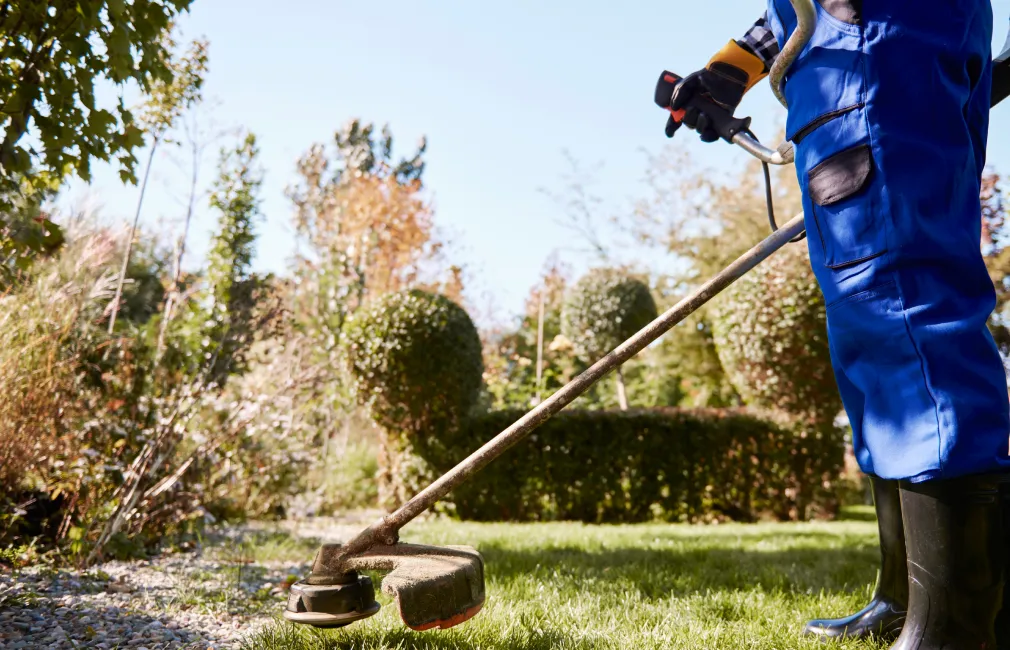
Precision Trimming
Cleanup and Inspection
Why Choose Cromwell Landscape Services
-
Cromwell Homeowners Trust Us
-
Expert Lawn Maintenance
-
Reliable Scheduling
-
Competitive Pricing
-
Professional Team
-
Satisfaction Guarantee
-
Personalized Service
Cromwell’s Municipal Hedging Regulations and Permit Requirements
Hedging activities in Cromwell are governed by local ordinances that specify placement, height, and maintenance standards for property boundaries and public rights-of-way. The Cromwell Planning and Zoning Commission enforces zoning codes that require hedges along front yards to remain below 42 inches in height, while side and rear yard hedges may reach up to 6 feet, provided they do not obstruct sightlines at intersections. Permits are required for new hedge installations exceeding 50 linear feet or for any work within 25 feet of a wetland or watercourse, with a standard application fee of $50 and a review period of 10 business days. Residents must maintain a 25-foot buffer from designated wetlands, as mandated by the Connecticut Environmental Protection Act. For detailed permit guidance and code compliance, coordinate with the Cromwell Planning and Zoning Commission.
Cromwell Planning and Zoning Commission
41 West Street, Cromwell, CT 06416
Phone: (860) 632-3447
Official Website: Cromwell Planning and Zoning Commission
Soil Series and Drainage Considerations for Hedging in Cromwell
Cromwell’s predominant soils, including the Paxton and Montauk series, are characterized by glacial till, moderate to poor drainage, and a pH range of 5.5 to 6.5. These conditions can lead to seasonal waterlogging, especially in low-lying areas near the Connecticut River and local wetlands. When establishing hedges, it is essential to:
- Select species tolerant of periodic wetness, such as inkberry holly (Ilex glabra) or winterberry (Ilex verticillata)
- Amend soil with 2-3 inches of compost tilled to a 6-inch depth to improve drainage
- Conduct a soil test through UConn Extension (typical cost: $15-25)
- Maintain a planting distance of 18-24 inches for dense coverage Research local soil characteristics using the USDA Web Soil Survey to ensure proper site preparation and species selection.
Seasonal Timing and Climate Zone Guidance for Hedge Maintenance in Cromwell
Cromwell is located in USDA Hardiness Zone 6b, with average annual minimum temperatures of -5°F to 0°F. Optimal timing for hedge planting and major pruning is early spring (April 15 – May 15) or early fall (September 1 – October 15), when soil temperatures are between 50-65°F and rainfall supports root establishment. Avoid heavy pruning after September 30 to prevent winter injury. The National Weather Service Boston/Norton office provides up-to-date local forecasts to guide scheduling. Key timing recommendations include:
- Spring planting: April 15 – May 15
- Fall planting: September 1 – October 15
- Major pruning: Before July 31
- Avoid fertilization June-August (heat stress period) Monitor weather patterns and soil moisture to adjust maintenance schedules as needed.
Environmental Compliance: Wetland Buffers and Stormwater Protection in Cromwell
Hedging near Cromwell’s wetlands, streams, and stormwater infrastructure requires strict adherence to local and state environmental regulations. The Connecticut Department of Energy and Environmental Protection (CT DEEP) mandates a 25-foot no-disturbance buffer from all regulated wetlands, and prohibits the disposal of hedge clippings or soil amendments into storm drains under the Clean Water Act and MS4 permit requirements. Best practices for environmental compliance include:
- Maintain 25-foot buffer from wetlands and watercourses
- Use biodegradable bags for debris; plastic bags are prohibited
- Schedule debris collection for Thursdays, April–November
- Prevent fertilizer or pesticide runoff into storm drains For site-specific buffer requirements and wetland delineation, consult the Cromwell Conservation Commission.
Cromwell Conservation Commission
41 West Street, Cromwell, CT 06416
Phone: (860) 632-3447
Official Website: Cromwell Conservation Commission
Safety Protocols and Equipment Standards for Hedging Operations in Cromwell
All hedging work in Cromwell must comply with municipal noise ordinances and professional safety standards. Equipment operation is permitted:
- Monday–Friday: 7:00 AM – 7:00 PM
- Saturday: 8:00 AM – 6:00 PM
- Sunday and holidays: Prohibited Operators must use commercial-grade trimmers with functioning mufflers, and all personnel are required to wear:
- ANSI Z87.1 safety glasses
- Hearing protection for equipment exceeding 85 dB
- Steel-toed boots and cut-resistant gloves Maintain a 15-foot clearance from overhead utilities and public sidewalks. For work near public roads or parks, coordinate with the Cromwell Department of Public Works for traffic control and public safety requirements.
Cromwell Department of Public Works
41 West Street, Cromwell, CT 06416
Phone: (860) 632-2435
Official Website: Cromwell Department of Public Works
What Neighborhoods Do We Serve Throughout Cromwell, CT?
- West Cromwell: Features mature residential lots with Paxton soils and moderate drainage, requiring careful species selection for hedges due to seasonal wetness and clay content.
- Tumble Brook: Newer subdivisions with compacted fill soils and smaller lot sizes; hedging projects must account for HOA guidelines and limited planting space.
- Main Street Historic District: Characterized by historic homes, narrow setbacks, and strict height restrictions for front yard hedges to preserve sightlines and district aesthetics.
- River Highlands: Proximity to the Connecticut River and designated wetlands necessitates adherence to 25-foot buffer requirements and stormwater protection measures.
- Country Squire Estates: Larger lots with mixed drainage and mature tree cover; hedging must consider deer pressure and shade tolerance.
- Evergreen Estates: Suburban area with sandy loam soils and good drainage, allowing for a wider range of hedge species and less risk of waterlogging.
- Cromwell Hills: Elevated terrain with slope considerations, requiring erosion control and careful placement of hedges to prevent runoff toward public infrastructure.